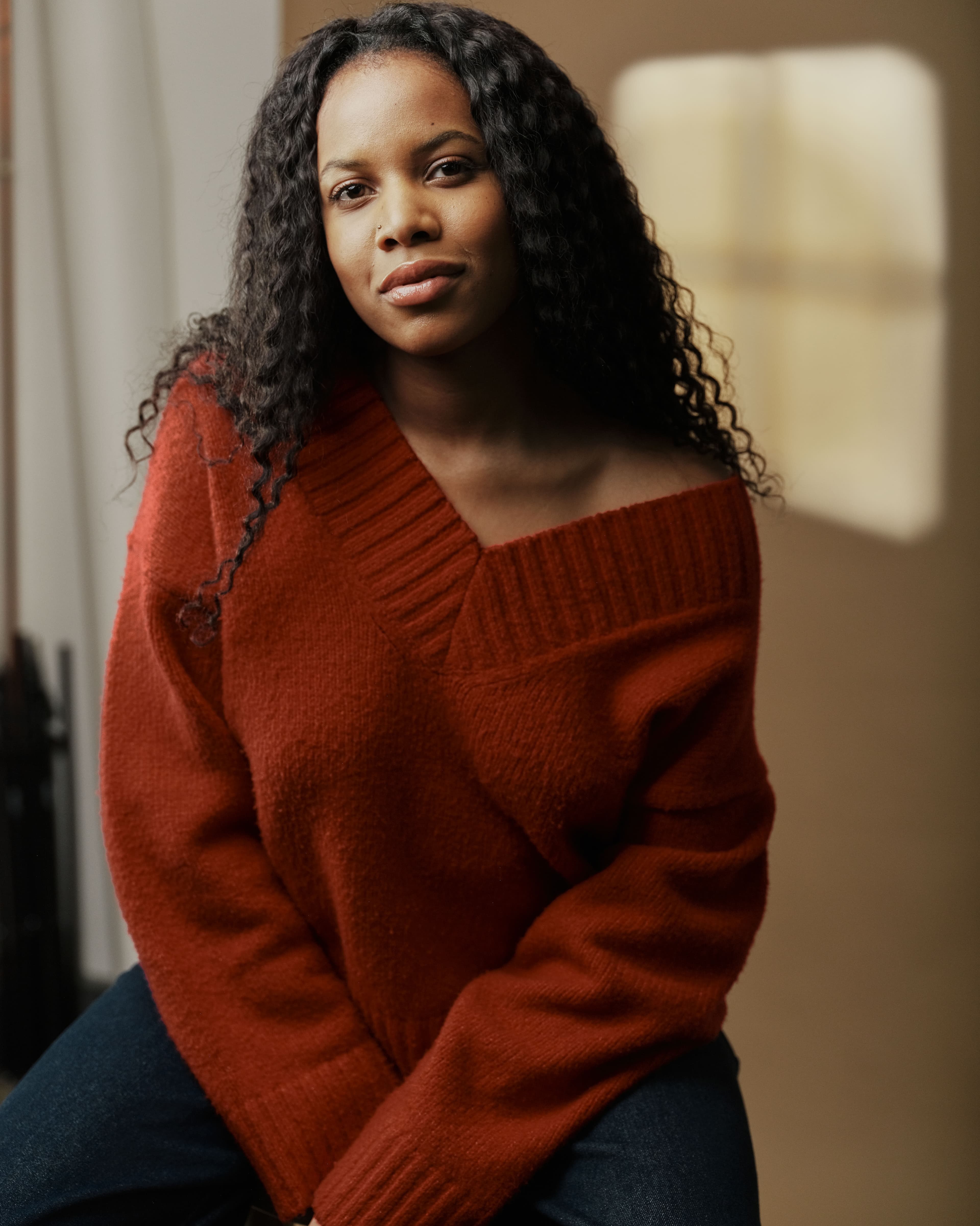
If you have ever stood in front of a camera and felt like you were wearing someone else’s face, you are not alone. Most advice about camera confidence focuses on tricks — where to put your chin, how to angle your body — and misses the larger point. You feel like yourself when the session stops treating you like a problem to solve.
This guide is for anyone preparing for portraits or headshots in London who wants to feel confident without turning the hour into theatre. Some of it you can do at home. Some of it depends on choosing a studio that paces sessions like conversations, not conveyor belts.
Before you arrive: clarity beats perfection
Spend ten minutes writing down where the images need to appear and what you want someone to feel when they see you. Not what you want to look like in the abstract — what the image needs to do. Casting clarity? Approachable expertise? Warmth for a practice website?
- Collect references that explain light or mood, not a different face.
- Note one old photograph you dislike and why — stiff smile, harsh light, wrong energy.
- Choose clothes that feel like you on a good Tuesday, not a costume.
- Sleep and hydration matter more than last-minute skin hacks.
In the room: slow down on purpose
Rushed sessions teach your body to perform. When there is no time to settle, you grab the expression you think is safe. If your photographer builds in breaks, checks in, and changes direction in plain language, your nervous system gets the message that this is not an exam.
Feeling confident in front of a camera is often just feeling allowed to take up normal space.
Try dropping your shoulders before the first frame. Let your jaw unclench. Look away from the lens and back — it interrupts the stare that reads as fear on camera. If something feels wrong, say so. A good photographer will adjust, not push harder.
Direction should sound like your life, not a manual
Chin down and eyes up works for some people and panics others. We prefer cues tied to memory: think about the walk you took this morning, remember the laugh you had in the waiting area, look toward the window like you are considering a kind reply. Those prompts produce expression that belongs to you.
Headshots and portraits need different energy
A tight headshot for LinkedIn might need clarity and calm. A wider portrait might need room for gesture and environment. Knowing which you are making stops you from forcing portrait drama into a headshot crop, or freezing a headshot smile into a portrait that should breathe.
Choosing frames: trust recognition over flattery
When you review images, notice which ones you would send without apologising. The best frame is not always the most glamorous. It is the one where you would nod if a friend said that looks like you on a good day.
If camera confidence has been holding you back from updating your headshot or booking portraits, start with conditions rather than charisma. The right session in London should leave you feeling like yourself — and the photographs should follow.
You do not need to practice smiling in the mirror. You need a room that treats your time as seriously as your face. When you find that, confidence stops being something you perform and becomes something the camera simply records.