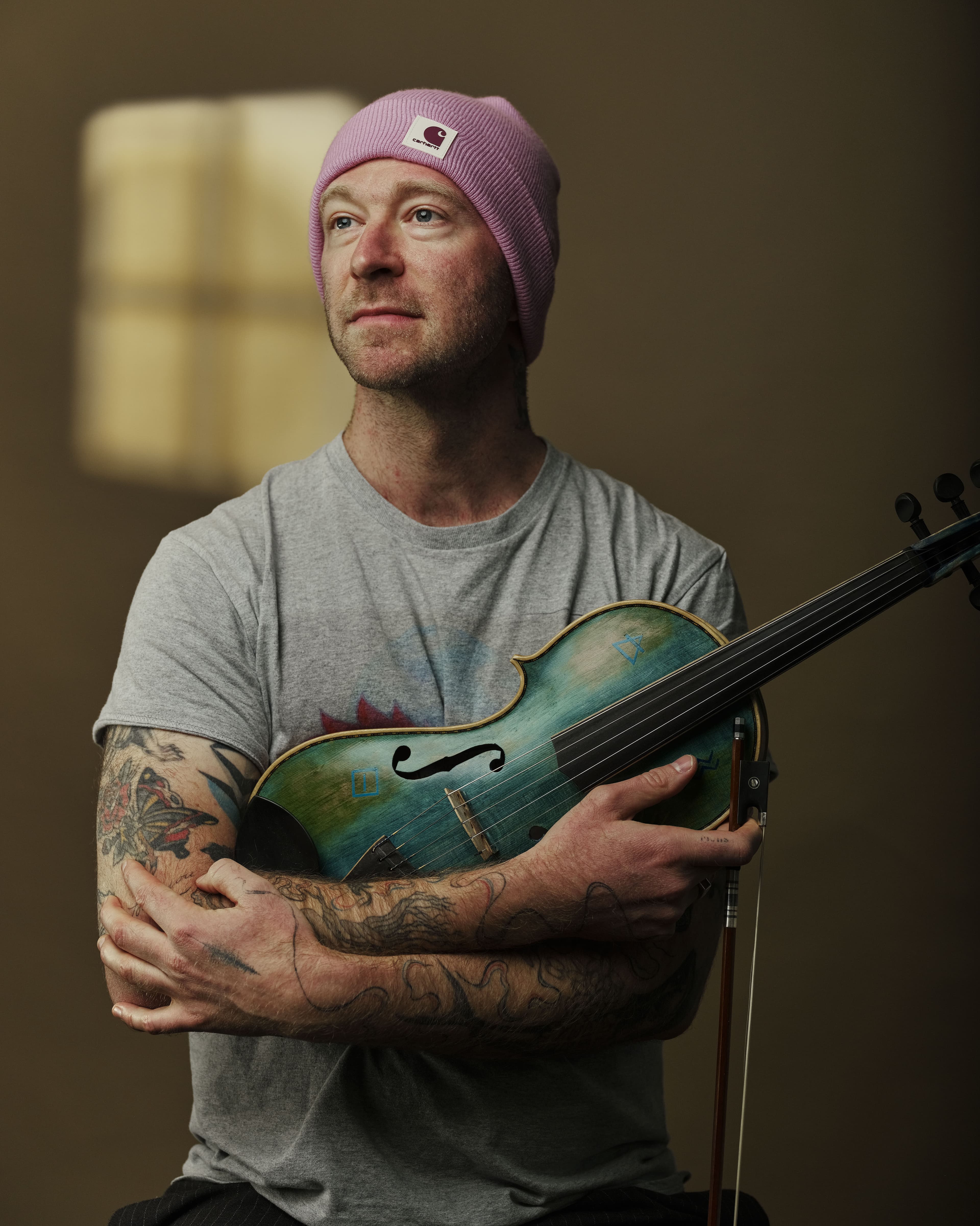
Nervous clients often apologise before they take their coat off. I am terrible in front of a camera. We hear it from barristers, actors, founders, therapists — people who speak in public for a living and still feel their throat tighten when a lens points at them.
We do not think that makes them difficult. It makes them human. The studio’s job is not to fix you before we start. It is to build conditions where your best self — the one colleagues already know — has room to show up.
We treat nerves as data, not failure
Some people need silence and a few minutes by the window. Some need to talk through the week they have had until they laugh once. Some need explicit permission to say no to a setup that feels wrong. We adjust pace before we adjust lights.
- Conversation before the first frame so the camera is not a surprise.
- Breaks with water and no performance during them.
- Direction in everyday language, not pose jargon.
- Shutter rest when your face needs to reset.
Your best self on camera is usually quieter than you expect — not louder, not bigger.
What changes when the room feels safe
Safety is practical. It is a photographer who notices when you hold your breath. It is never shaming you for blinking. It is changing music, turning music off, letting you sit if standing makes you feel exposed. It is shooting in bursts so you are not frozen in one expression.
When clients stop monitoring their own face, micro-expressions return. The eyes connect. The smile, when it comes, starts in the right place. Those frames are the ones they send without a disclaimer email.
Before you book: what actually helps
Do not cram a stressful meeting against the session if you can avoid it. Wear clothes that feel like yours. Bring references that explain mood, not a different person. Tell us you are nervous when you enquire — we will factor it into time and pacing.
Choosing images when you were nervous
When you review the gallery, ignore the frames where you remember performing. Look for recognition. If a friend would say that looks like you on a good day, that is the one — even if your inner critic hesitates.
You do not need to arrive brave
You need to arrive willing to be worked with gently. We have photographed hundreds of people who swore they were not photogenic and left surprised — not because we performed magic, but because we refused to rush them into a mask.
If camera nerves have kept you on an old headshot for years, let us try a different room. Your best self is already there. We are just making space for it.
You can bring a friend to the waiting area if that helps, or come alone if crowds make you tense. Either way, the session belongs to you — we adjust to what your body needs, not the other way around.
Nervous is not a type of client. It is a temporary state in the wrong room. In the right one, most people forget to apologise for themselves before the hour is half done.
If you need a minute without the camera raised, say so. Silence is not wasted time when it is what your shoulders need to drop. We have never met a client who was too nervous to photograph — only one who was too rushed.