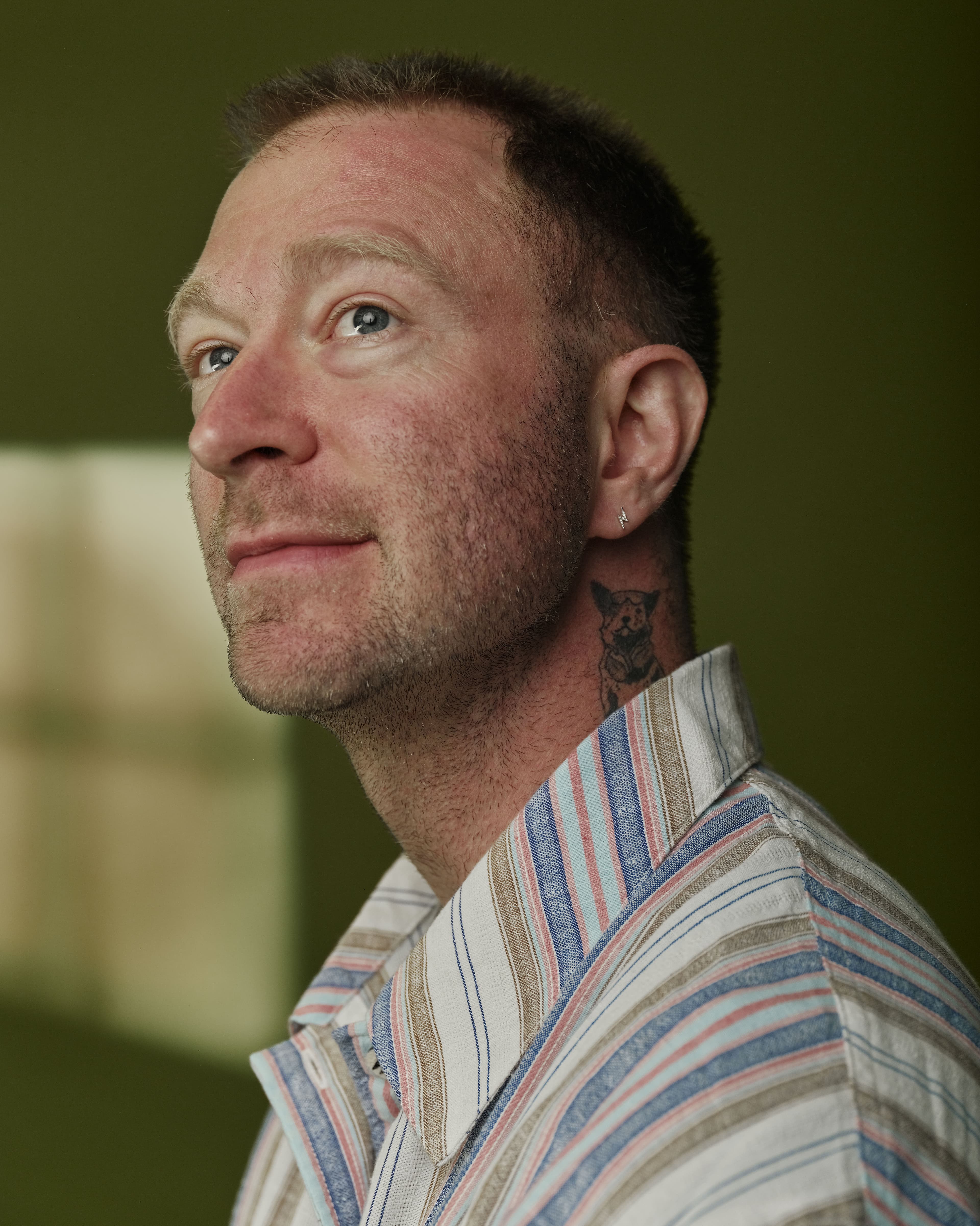
People use headshot and portrait interchangeably until they see the bill and the crop. Then the confusion costs them: they book a tight headshot when their website needs warmth and context, or they book an editorial hour when casting just needs a clean, readable face.
Both formats can feel like you. They simply answer different questions. Understanding the difference saves money, time, and the quiet regret of uploading an image that is technically fine but wrong for the job.
What a headshot is for
A headshot is a precision tool. It is usually chest-up or tighter, designed to be read small — on a casting board, a Slack avatar, a conference bio. The job is instant recognition: this is the person, this is the energy, this is the casting type or professional role.
- Actor and performer submissions where clarity beats storytelling.
- LinkedIn and team pages that need consistency across staff.
- Press kits that require a neutral, high-resolution file.
- Anywhere the crop will be circular or thumbnail-sized.
What a portrait is for
A portrait has more room — literally and emotionally. It might include hands, environment, movement, or a wider frame that suggests how you occupy space. Portraits are for when the audience needs to feel something before they read your name: trust, creativity, calm, authority with warmth.
A headshot introduces you. A portrait can explain why someone might want to work with you.
Musicians, writers, coaches, and founders often need both: a tight file for listings and a wider image for websites, albums, or features. The mistake is trying to squeeze portrait storytelling into a headshot crop, which is how you end up with a dramatic face and no context.
Can one session deliver both?
Often yes, if the time is planned. We might spend the first block on clean headshots with consistent light, then shift wardrobe or framing for portraits with more atmosphere. The lighting might soften, the background might change, the direction shifts from clarity to narrative.
Feels like you is not a format — it is an outcome
Whether tight or wide, the image should look like you on a good day, not a heightened version you cannot maintain. That comes from pace and conversation, not from choosing portrait over headshot as if one were more authentic by default.
How to choose before you book
List every place the image will appear in the next eighteen months. If everything is small-crop professional, start with headshots. If your site hero, book cover, or campaign needs story, prioritise portraits. If both lists are long, book time for both and say so upfront.
If you are unsure, we are happy to talk it through before you reserve. The right format is the one that matches how you will actually be seen — not the word you think sounds more impressive.
When in doubt, photograph the person you are becoming, not the role you think cameras prefer. Headshots and portraits are tools. Feeling like yourself is the outcome worth booking for.
London clients often book one session and leave with both crops — a tight file for listings and a wider frame for the site hero. Say that upfront and we will plan the hour accordingly.
If you are comparing old files, notice which ones still feel true after a career change. That format — tight or wide — is usually the one to refresh first.
Book the format your platforms are asking for, not the one that sounds more impressive in a meeting. The right image is the one that still works when the crop is small.