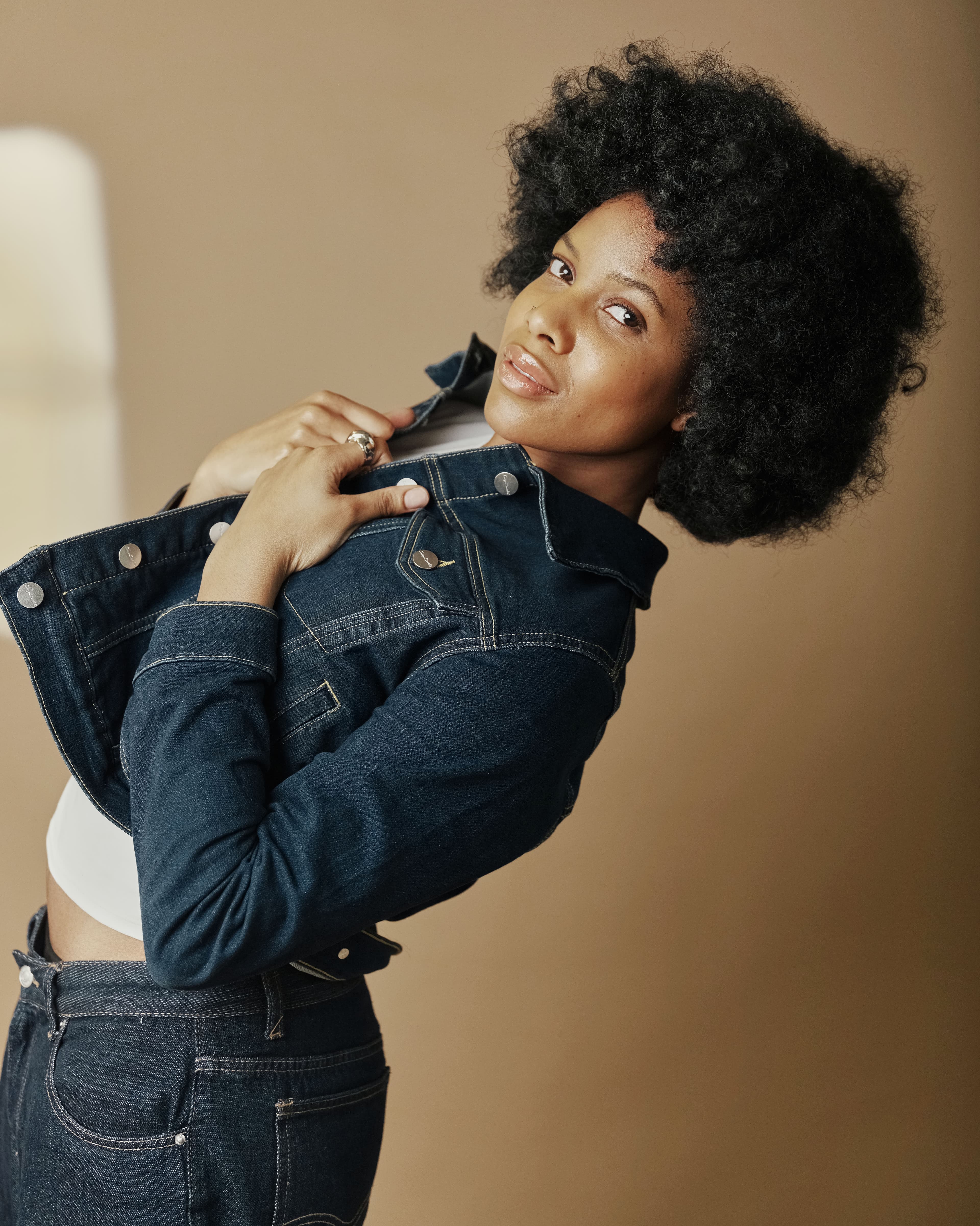
Clients sometimes ask what we are looking for through the viewfinder. The honest answer is not symmetry, not flawless skin, not a pose that would win a technical competition. We are looking for a photograph that can do a job in the world — and for the half-second when your face agrees to that job without pretending.
That sounds abstract until you have sat through a session built for performance. Then the difference is obvious. Performance photographs look impressive for a moment and hollow a week later. Presence photographs look like someone you would trust, hire, or cast.
We start with use-case, not wardrobe
Before we touch a light stand, we want to know where the image will live. A LinkedIn header and a theatre poster need different energies. A musician’s press shot and a coach’s website need different warmth. The use-case tells us what to protect and what to let go of.
- Who will see this image first, and what should they understand in one glance?
- Do you need one definitive look or several moods from the same hour?
- Are there colours, backgrounds, or crops the platform already demands?
- What did your last portrait get wrong, if anything?
Those answers shape everything from lens choice to how long we stay on a setup. Two people can walk in with the same brief on paper — professional headshot — and leave with completely different sessions because one needs approachable and the other needs quiet authority.
We are not hunting for your best angle. We are hunting for the angle that tells the truth you need told.
Presence beats a pose you can name
Named poses have a shelf life. They read as photography about photography. What lasts is micro-movement: a breath, a glance that lands, a smile that starts in the eyes because something in the room was funny or true.
We shoot in bursts around those moments rather than asking you to freeze one expression until your face hurts. The keeper frame is often the transition — before you think you are ready — not the peak of a performed smile.
Lighting should serve you, not announce itself
Dramatic light is wonderful when the story needs it. Most professional portraits need light that explains your face clearly and kindly. We adjust for skin tone, glasses, and the way you actually hold your shoulders, not for a trend we saw on social media last week.
Knowing when to stop is part of the craft
More frames are not always better frames. When the energy shifts — when you stop flinching at the shutter, when the same expression repeats without new information — we change setup or we rest. Respect for your time is respect for the final edit.
What you can bring into the room
Bring references if they help you explain what you mean. Bring honesty about what has felt wrong before. Bring the version of yourself you are tired of performing, and the version you are ready to show. You do not need to arrive as a model. You need to arrive as a collaborator.
If you are curious how that process feels in practice, our portrait sessions in London are built around conversation first and shutter second. The photograph is the last step — but what we are really looking for happens long before it.
Bring your brief, your nerves, and your references. Leave room for something unplanned to land. That is usually the frame you will still want on your website next year.