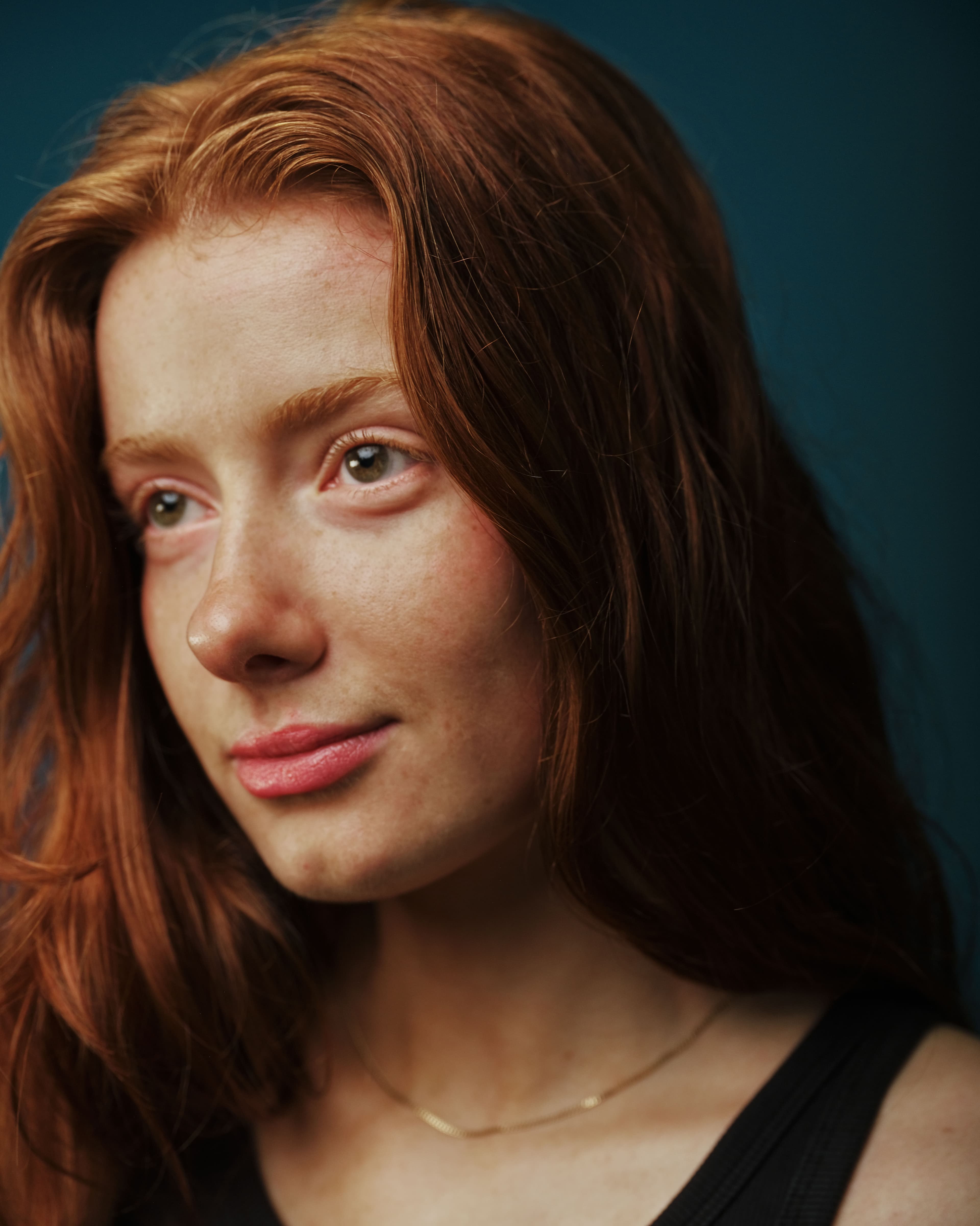
For years the default professional photograph was the same: grey background, blazer, smile that does not reach the eyes, uploaded once and left for five years. It signalled employability in a world where LinkedIn was new and remote work was rare.
That world is gone. Clients meet you on video first. They scroll past hundreds of faces a day. They have learned, quickly, to distrust images that look issued rather than chosen. Authentic portraits vs corporate headshots is not an aesthetic debate — it is a trust debate.
Authentic does not mean casual or sloppy
We hear the fear: if we move away from corporate polish, will we look unprofessional? Authentic portraits still respect the job. Lighting is intentional. Wardrobe is considered. The difference is expression and pace — you look like a person someone could speak to, not a template with your face pasted on.
- Corporate headshots prioritise uniformity across a team.
- Authentic portraits prioritise recognisability and warmth per person.
- Both can live on the same website if the brief is clear.
- Neither requires over-retouching or performative smiles.
Audiences forgive a wrinkle. They do not forgive a face that looks like it is pretending.
Why teams and founders are switching
Marketing teams want images that match how people experience the brand in person. Coaches and therapists need photographs that feel safe before a client reads a word. Startups competing for talent want humans on the About page, not a wall of identical grins.
The shift is especially visible on LinkedIn, where natural headshots with clear light and honest expression outperform the old glossy look. People stop scrolling when something feels true — even if they cannot articulate why.
How to migrate without throwing away standards
You do not need to ban blazers. You do need to book time that allows conversation, choose backgrounds that flatter without sterilising, and select frames where each person looks like themselves on a good day. Consistency can come from light and crop rather than from forcing everyone into the same personality.
A hybrid approach many London companies use
Some teams shoot a clean headshot file for press and directories, then a slightly wider portrait for the website hero. Same session, two useful crops. The authentic layer is in the pacing and direction, not necessarily in abandoning structure.
If you are updating just your own image
Ask whether your current headshot still matches how people experience you in a room. If the answer is no, the fix is rarely a new blazer. It is a session that lets your face do what it does when you are listening, thinking, or quietly amused.
Authentic portraits are replacing polished corporate headshots because the internet got better at reading honesty. Your next photograph should meet that standard — professional, clear, and actually you.
If your team is due an update, start with one person as a test. Compare the new file to the old wall of identical grins. The difference in trust is usually obvious before the retouching debate even begins.
We are happy to talk through brand guidelines and platform crops before you book. Authentic does not mean improvised — it means aligned with how you already show up when you are not performing for a lens.
The shift is not anti-business. It is pro-trust. And trust, on a screen full of faces, is still the scarcest thing you can photograph well.